<?xml version="1.0" encoding="utf-8"?><feed xmlns="http://www.w3.org/2005/Atom" ><generator uri="https://jekyllrb.com/" version="4.4.1">Jekyll</generator><link href="/feed.xml" rel="self" type="application/atom+xml" /><link href="/" rel="alternate" type="text/html" /><updated>2026-08-10T11:42:06+00:00</updated><id>/feed.xml</id><title type="html">Benjamin MacLeod</title><subtitle>My name is Benjamin MacLeod, and I am pursuing a Bachelor of Business Administration degree at Acadia University. Some of my hobbies include video editing, photography, and writing.</subtitle><author><name>Benjamin MacLeod</name></author><entry><title type="html">I waffled on whether I should write about Stewiacke. Here’s why I chickened out</title><link href="/2026/08/10/stewiacke-heres-why-i-chickened-out.html" rel="alternate" type="text/html" title="I waffled on whether I should write about Stewiacke. Here’s why I chickened out" /><published>2026-08-10T00:00:00+00:00</published><updated>2026-08-10T00:00:00+00:00</updated><id>/2026/08/10/stewiacke-heres-why-i-chickened-out</id><content type="html" xml:base="/2026/08/10/stewiacke-heres-why-i-chickened-out.html"><![CDATA[<p>I’m in the process of writing an article about the Town of Stewiacke. Will it ever be released, probably not.</p>

<p>Why? Frankly, I’m too scared.</p>

<p>When I wrote my first article about layoffs at Acadia University, I was quite critical of both the university and the student body. I published what I believe was a fair assessment of how the Acadia Community and Acadia’s Administration handled the layoffs. The point I tried to get at was that despite both parties having poor judgment, I could see where both sides were coming from.</p>

<p>At the time, I wrote this article mostly for myself. I expected it might reach a few dozen people and at most, get a handful of likes. As of writing, my Instagram post promoting my first article received roughly 2700 views and over 40 likes. This was definitely more viewers than I expected, and more attention than I necessarily wanted.</p>

<p>Following that article, I published a three part series covering Acadia’s proposed (now approved) restructuring plan. When I had a chance to meet our Provost at a Q and A session in April, I was surprised to find out that her and the rest of the team had read my work. Through the proposal process, I had a chance to speak to the Provost multiple times, and also received an email reply from the President (all of these interactions were positive). Overall, I have been greatly impressed by how accessible Acadia’s leadership team has been for students providing feedback.</p>

<p>Unfortunately, I believe that if I publish an article about the Town of Stewiacke, I would not get the same response. For a town as small as Stewiacke, there has been an astonishing amount of drama, especially in regard to their municipal council. While I do not live in the town, I live within walking distance (take that for what you will, I’ve walked round trip from Wolfville to Kentville). When I’m home from university, I visit the town regularly to pick up groceries, visit the library, or go to Tim Hortons. Like my articles about Acadia, I could see one about Stewiacke going viral. In this case, however, I would likely not get the same positive reaction from both sides of the story.</p>

<p>I want to be clear that in a country like Canada, I shouldn’t feel hesitation about speaking out against a municipal government. While Canadian laws on free speech are not the same as those in the United States (though many like to apply US law in Canada), we do have protections in place to protect our expression. However, while I feel that I would make a fair argument, I wouldn’t be willing to argue it in a courtroom. I’m a university student, I don’t have the time or money to fight a municipal government in court in order to prove I’m right. I’d like to think that my words would not lead to a legal battle, but given the current tension (and litigious history) in the town, it’s not a totally uncalled for fear.</p>

<p>This shines light on a problem that, in my opinion, is bigger than just Stewiacke. Sure, the town has a long history of having drama end up in a courtroom, but why are similar stories popping up in other municipalities? Is this just a side effect of being in rural Nova Scotia, or is there something more at play?</p>

<p>I believe that one of the issues right now in municipal government is that a lot of the elected representatives are in their positions for themselves, rather than their constituents. It’s no secret that governments are tight on cash right now — you don’t have to <a href="https://www.cbc.ca/news/canada/nova-scotia/n-s-government-closing-some-museums-most-visitor-information-centres-9.7097393">look far</a> to find cuts. Yet it appears that one of the last areas to be cut are councillor expenses. Councillor expense reports are legally required to be public in Nova Scotia, and these totals range from zero to over ten thousand dollars per individual. What items are included in these totals? Sometimes, members of council are reimbursed for purchasing items on behalf of the town (e.g., buying supplies for a local festival). More often than not, however, the claims are for travel, lodging and meals related to conferences or meetings. There are a few avenues I can approach in regard to expenses, the first being the inconsistency. If these meetings are considered important, why are the same councillors going every time? Does this imply that some councillors are bad at their job because they aren’t taking their turn? On the other hand, I could argue that these meetings and conferences are a waste of money, and the councillors going might be choosing to go for the free hotel room and night out. Additionally, when councillors purchase supplies for the town (e.g., supplies for a festival), should they not be processed through the municipal credit card and directly added to the line item in question? This way, the municipality collects the credit card points instead of the councillor. This side of the story is a great example of the agency problem, that being councillors working for their own interests instead of ours. Although spending money is not always a bad thing, it’s the intent that matters. And let’s be real, how many of those who take advantage of expense claims would vote to have this budget reduced? Furthermore, is it really that outrageous to assume that some of these councillors would try to keep people from calling them out for it?</p>

<p>With how tight finances have been for everyone, I think it’s fair to assume that residents have a right to criticize their council when they feel taxpayer dollars are not being spent properly. In Nova Scotia, the act of criticism has been a contentious topic. Several municipalities are currently in <a href="https://www.cbc.ca/news/canada/nova-scotia/to-stream-or-not-to-stream-the-pros-and-cons-of-video-for-n-s-municipalities-9.7214998">active discussions</a> about how to handle harassment towards elected officials. To be clear: harassment towards municipal employees and elected officials is a valid concern that should be addressed. However, I fear that if we don’t address it correctly, comments by upset citizens will mistakenly be considered “harassment”, and the wrong people will end up getting hurt. This is where the provincial government is to blame. Although some municipalities have strict by-laws that I have personal disagreements with (e.g., prohibition of recording/live-streaming council meetings), the leading culprit is the revision to the Municipal Code of Conduct. More specifically, I’m referring to the <a href="https://www.cbc.ca/news/canada/nova-scotia/nova-scotia-removes-public-ability-to-complain-about-municipal-politicians-9.6939882">removal of the public’s ability to file formal complaints against elected officials</a> . By removing a way for citizens to have a voice outside of election season, the province has effectively made it harder to hold a rouge council accountable. I believe that this revision has led to a lot of unnecessary drama and heresy in local government, much of which could have been avoided if an independent third party was able to investigate. This is ultimately what concerns me the most as an individual who takes interest in small town drama. I also remain aware that if I have these concerns coming from a background of privilege, the risk for minority groups and noncitizens is even greater. I’m reminded of a conversation I had with a recent Acadia graduate. My conversation took place the day after the protests occurred at Acadia when Tim Houston visited. This individual mentioned that she ALWAYS tells noncitizens to wait until they have received citizenship before joining protests. Unlike citizens like myself, these individuals have limited ability to speak out, yet are affected equally if not more by the rule of law.</p>

<p>While protesting and criticism may not be viable options right now, there is another way to fight back. In the next election, please register to vote, and if you are in a position to do so, run for office. I was lucky enough to have tuned 18 just in time for the 2024 municipal, and later on, provincial elections. I know for a fact that people in my age bracket chose not to vote because “municipal elections aren’t important”. This statement is inherently wrong, and is very upsetting to me. Voting is one of the few ways that residents have the power to make a real change in their government. By choosing not to vote, you are withholding this legal right. While one vote may not change an election, the collective power of all people is what ultimately shapes the offices intended to serve for us. The offices held by elected officials represent you just as much as your neighbour.</p>

<p>Additionally, I also want to make it clear that there <em>are</em> many GREAT councillors that are working for the people. When a friend and I had the opportunity to present to council in Wolfville, I met a wonderful group of people who asked insightful questions and were extremely friendly and personable. When a council works together for the people, they can accomplish wonderful things. And then there are the true forces behind these wonderful things — the people who work in the town offices. Town offices are full of amazing people who answer the phones, process complaints, and turn a council mandate into reality, including in the Town of Stewiacke. The recreation department, for example, puts a ton of work in to provide activities for the town at a variety of spaces.</p>

<p>Back to why I wrote this article in the first place. I don’t like how I feel like a chicken (pun intended). I would love to go into detail about what’s happening in the Town of Stewiacke and make connections to all of the town’s controversies. But at this point, the stakes in Nova Scotia are too high, and the consequences seem to only affect those like me who choose to speak up. Meanwhile, the people causing problems continue to go unchecked, and the voices wanting change continue to be ignored.</p>

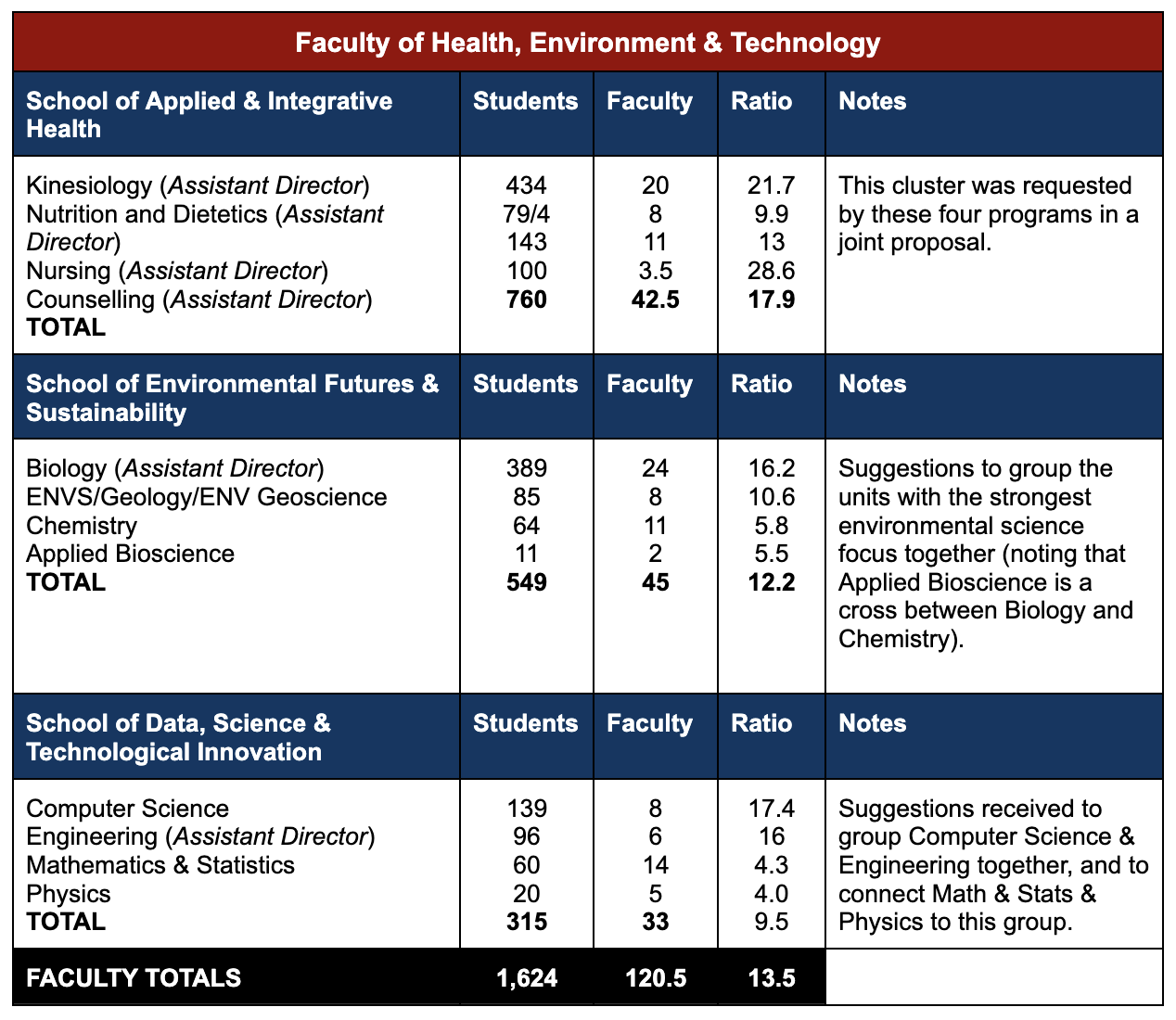
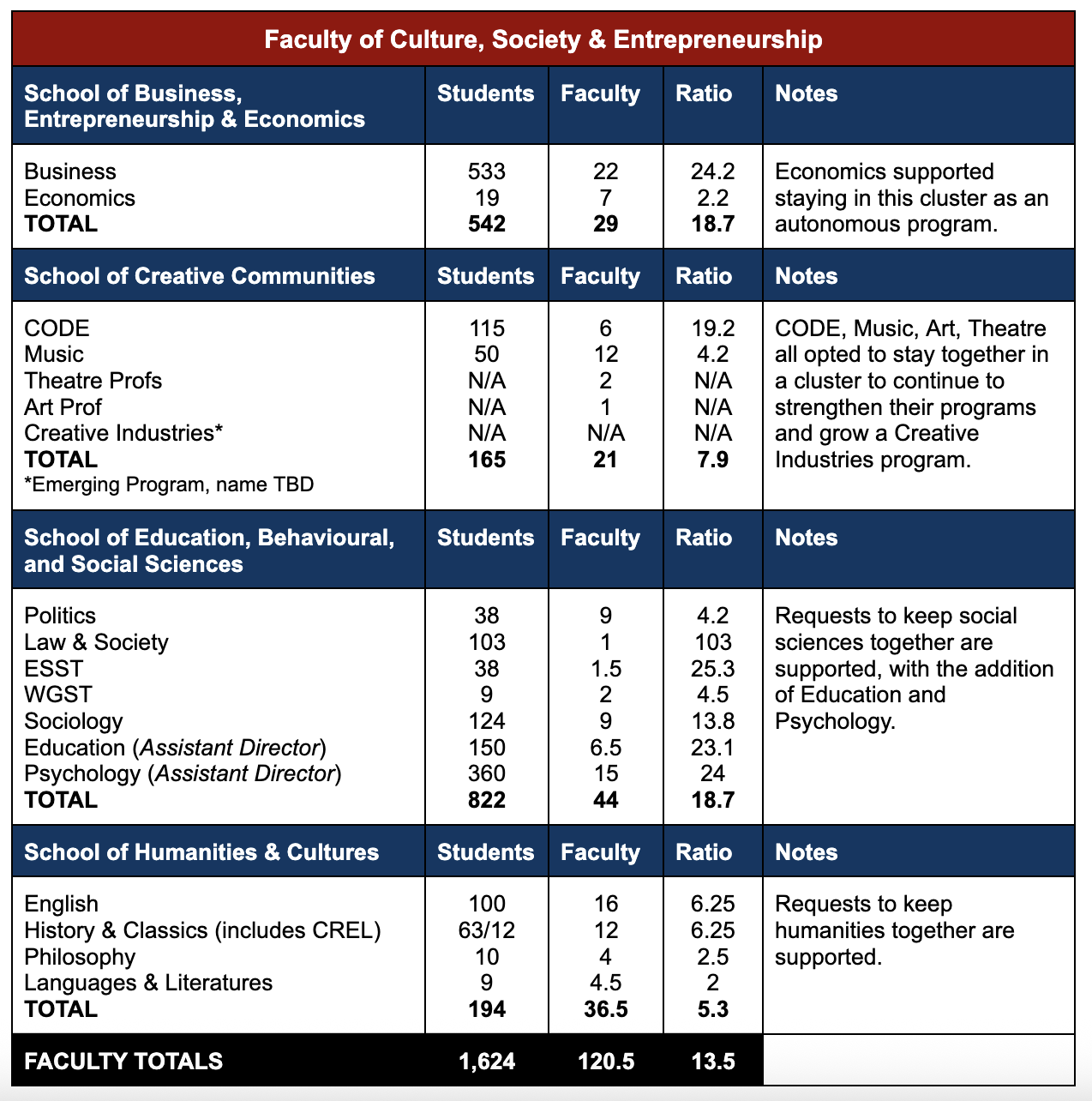
<p>I will continue to advocate the importance of being informed of what happens in local government. No matter where you stand, staying informed is a message I think everyone can get behind. Maybe one day, someday, I just might publish my article about Stewiacke. But that day has yet to come.</p>]]></content><author><name>Benjamin MacLeod</name></author><category term="Stewiacke" /><category term="Politics" /><summary type="html"><![CDATA[I’m in the process of writing an article about the Town of Stewiacke. Will it ever be released, probably not.]]></summary></entry><entry><title type="html">Third time’s a charm? Acadia University’s third restructuring proposal</title><link href="/2026/05/20/restructuring-proposal-take-three.html" rel="alternate" type="text/html" title="Third time’s a charm? Acadia University’s third restructuring proposal" /><published>2026-05-20T00:00:00+00:00</published><updated>2026-05-20T00:00:00+00:00</updated><id>/2026/05/20/restructuring-proposal-take-three</id><content type="html" xml:base="/2026/05/20/restructuring-proposal-take-three.html"><![CDATA[<p>On Wednesday, May 20, 2026, members of the Acadia community received a letter outlining a third proposal for restructuring academic programs and services. The letter was signed by Jeff Hennessy, President and Vice-Chancellor, Ashlee Cunsolo, Provost and VP Academic, along with the Vice Provosts, Deans and the Registrar. The newest proposal is a combination of the best of both proposals combined, with student and faculty feedback appearing to be the driving force behind the decisions made.</p>

<h3 id="the-new-proposal">The New Proposal</h3>
<p>The new model proposed by Acadia includes two Faculties which would be led by two Deans. Each Faculty would have a Manager of Operations, who would be responsible for “budget support, data and record keeping, building management, project management” (Page 5). Additionally, two Executive Assistants would be responsible for a “cross-trained team of administrative assistants and staff” (Page 5).</p>

<p>Inside the Faculties would be seven Schools. Schools would each be led by a Director (seven total) and eight Assistant Directors would be responsible for large or accredited programs, reporting to the Director. The new model would result in the reduction of 15 Academic Leadership positions, <em>appearing to result from the reduction of Department Heads</em>. The letter does acknowledge Administrative assistants, but does not mention how they might be distributed. </p>

<p>Proposal Three maintains the proposed introduction of School Councils, which would feed up to Faculty Councils, and then to the Senate. Additionally, “Critical Support Staff will continue to be linked to programs and centralized to each Faculty” (Page 6). This would include positions like placement leads and technicians. Beyond this, Acadia has yet to release a detailed plan for the new embedded support model. </p>

<h3 id="program-distribution">Program Distribution</h3>

<p><img src="/assets/images/2026-05-20/acadiafacultyhealth.png" alt="My Image" /></p>

<p><img src="/assets/images/2026-05-20/acadiafacultyculture.png" alt="My Image" /></p>

<p><sup>*</sup> Student numbers are from December 1, 2025, and include first majors only. Faculty numbers reflect full-time continuing faculty. CLTs and PCAs are not accounted. Some minor variations may apply to current numbers.</p>

<p><em>(Adapted from Dear Acadia Community [May 20], pages 3-4)</em></p>

<h3 id="timeline">Timeline</h3>

<p>The May 20 letter provides an adjusted timeline, proposed by the Science Heads/Directors. The letter also welcomes feedback submissions via email and states that Acadia will work with the ASU to reach out to students for feedback.</p>

<p><strong>May 27: Special Meeting of Senate</strong></p>

<p>This session will be for discussion only of Proposal 3 only, and not for a vote</p>

<p><strong>June 17: Regular June Meeting of Senate</strong></p>

<p>Acadia will bring Proposal 3 (likely with minor amendments from continued feedback) for Senate approval vote.</p>

<p><strong>June 18-19: Board Retreat</strong></p>

<p>Acadia will bring Proposal 3 (likely with minor amendments from continued feedback) to the Board for discussion only.</p>

<p><strong>July: Special Board Meeting</strong></p>

<p>Acadia will call a special meeting of the Board of Governors for final vote and approval.</p>

<p><strong>August 30: Schedule H submission of institutional priorities and strategic plans</strong></p>

<p><strong>October 15: Final Schedule H submission</strong></p>

<p><strong>August 2026-June 2027: Preparing for Implementation</strong></p>

<p>This includes working through all details related to budget, structure, governance, staffing, and programming, ensuring that students and the student experience are centred in the decision-making.</p>

<p><strong>July 1, 2027: New Faculty and School structure in place</strong></p>

<p><strong>2027-2029: Continual Review Period &amp; Finalization</strong></p>

<p>Continue to review the structures, staffing, and processes via regular check-ins and continue to address any challenges that arise due to these changes. This will include regular check-ins on student experience, and the impacts on budget, recruitment, retention, fundraising, staff, and students, and make needed adjustments along the way. Finalize all structures by July 1, 2029.</p>

<p><strong>2029 Onwards: Establish a Structure of Continued Institutional Review</strong></p>

<p>Moving forward, adopt a formal review process of the institution every five years for continued improvement.</p>

<h3 id="personal-thoughts">Personal Thoughts</h3>

<p>I believe that Acadia did their best to ‘play it safe’ with the most recent restructuring proposal, ultimately coming to an even compromise. The proposed Schools make a lot of sense in terms of organizational units as many already share overlap in course requirements. For example, the students in the <em>School of Data, Science &amp; Technological Innovation</em> typically take a mix of these courses regardless of their individual program. Other programs, like Economics and Business, have nearly identical first year schedules. Unlike the last proposals, almost all of the proposed groupings make sense, with little to no ‘creative license’ used for creating pairings (e.g., Math &amp; Stats, Economics, and Business in Proposal Two).</p>

<p>From reading the comments given under each proposed School, it looks like faculty members have had a strong sway in determining these new groupings. <em>I’ve speculated</em> that a considerable number of professors (especially in the arts) were upset with the initial proposed changes and became quite vocal internally (<em>again, this is purely speculation on my part</em>). It looks promising that Acadia is gathering as much feedback as possible from all parties, but I feel like we lose a little bit of flair and creativity with each proposal. This may not be a bad thing, as some of the concepts from the first proposal would likely be terrible when applied. As I mentioned earlier, I do quite like the groupings for the Schools. I think that while it would have been nice for a complete revamp in relation to program cohorts, it would be quite unrealistic to put into practice. I believe that in three or so years, this third proposal will be something that nearly everyone will be happy with.</p>

<p>I also think that while controversial, the move to eliminate the role of Department Head is likely a great way to save money in terms of employee payroll. We already see larger academic units (e.g., Business) survive with one Director, and as a student in one of those programs, it isn’t that bad. I do feel bad for the students in smaller programs who will lose a dedicated Department Head, but I remain hopeful that the forthcoming Embedded Support Model will open new opportunities. This is something already successful in Business with our excellent Co-op Coordinator. If what I gathered from my conversation in April with Ashlee Cunsolo is correct, Acadia is well aware of this success and would like to emulate supports in this fashion with other programs. Time will tell.</p>

<p>Another thing which should be made clear is that it is <em>highly unlikely</em> that current Department Heads will lose their jobs at Acadia. Most, if not all of the faculty currently in Department Head positions have tenure. This is essentially a ‘permanent contract’ for professors at a university. Although I am not familiar with what agreements AUFA and Acadia have, I feel pretty confident in how I think eliminating these positions would save the university money. On July 1, 2027, I foresee all Department Heads returning back to being full time professors (with some possibly retiring early through compensation packages). These individuals would likely fill vacancies typically left for term professors. This is where former Department Heads would likely spend the remainder of their career. In the long term, term professor positions would likely increase following eventual retirements and turnover.</p>

<p>I know I’ve already expressed approval of how open the Senior Administrative Team has been with the Acadia Community, but they continue to deserve credit. Between government pressure and various controversies, it has been a challenging year to lead an institution like Acadia. Since I came to Acadia in 2024, I’ve observed time and time again that Acadia is terrible at executing an idea the first time around. However, I have also observed that when the Acadia Community comes together, our Senior Leadership Team does a pretty good job at making sure the finished product comes together fully baked. What could have been decided behind closed doors has been three detailed proposals sent to all-students. While I would like to see more detail in some areas, it is clear that care has been taken to listen to our concerns and apply them to each proposal. For this reason, I am no longer ‘cautiously optimistic’. Instead, I am optimistic about what is to come.</p>

<p><em>As restructuring progresses, I will continue to cover developments. Regardless, I encourage you to check your emails and read all updates that are shared from our Senior Leadership Team. This restructure affects us all, and we are very fortunate for them to be as forthcoming and transparent with us as they have been.</em></p>]]></content><author><name>Benjamin MacLeod</name></author><category term="Acadia" /><category term="Acadia Restructure" /><summary type="html"><![CDATA[On Wednesday, May 20, 2026, members of the Acadia community received a letter outlining a third proposal for restructuring academic programs and services. The letter was signed by Jeff Hennessy, President and Vice-Chancellor, Ashlee Cunsolo, Provost and VP Academic, along with the Vice Provosts, Deans and the Registrar. The newest proposal is a combination of the best of both proposals combined, with student and faculty feedback appearing to be the driving force behind the decisions made.]]></summary></entry><entry><title type="html">Restructuring Acadia: A Revision</title><link href="/2026/04/22/restructuring-acadia-a-revision.html" rel="alternate" type="text/html" title="Restructuring Acadia: A Revision" /><published>2026-04-22T00:00:00+00:00</published><updated>2026-04-22T00:00:00+00:00</updated><id>/2026/04/22/restructuring-acadia-a-revision</id><content type="html" xml:base="/2026/04/22/restructuring-acadia-a-revision.html"><![CDATA[<p>On April 6, 2026, Jeff Hennessy (President and Vice-Chancellor) and Ashlee Cunsolo (Provost and Vice President Academic) announced proposed changes which would vastly change how academic programs are structured at Acadia. Shortly after this proposal was emailed to students, I <a href="https://docs.google.com/document/d/1m6OJENi9Xutx3rJFe3gQPpgzWbHNoF_ndo9FOXDh4ZU/view">published my analysis</a> to try and help break down the 13 pages that explained what (Re)Building Acadia would mean. Many parts of their proposal were considered controversial by members of the Acadia community, most notably being the elimination of departments and schools alongside the reduction of three faculties into two ‘colleges’. Since then, Acadia has offered a series of information sessions for both students and faculty to help gather feedback and answer questions regarding this proposed plan. Yesterday, April 21, Acadia released a second proposal which introduces several changes, alongside some more insight into what they learned from the gathered feedback.</p>

<h3 id="the-new-proposal">The New Proposal</h3>
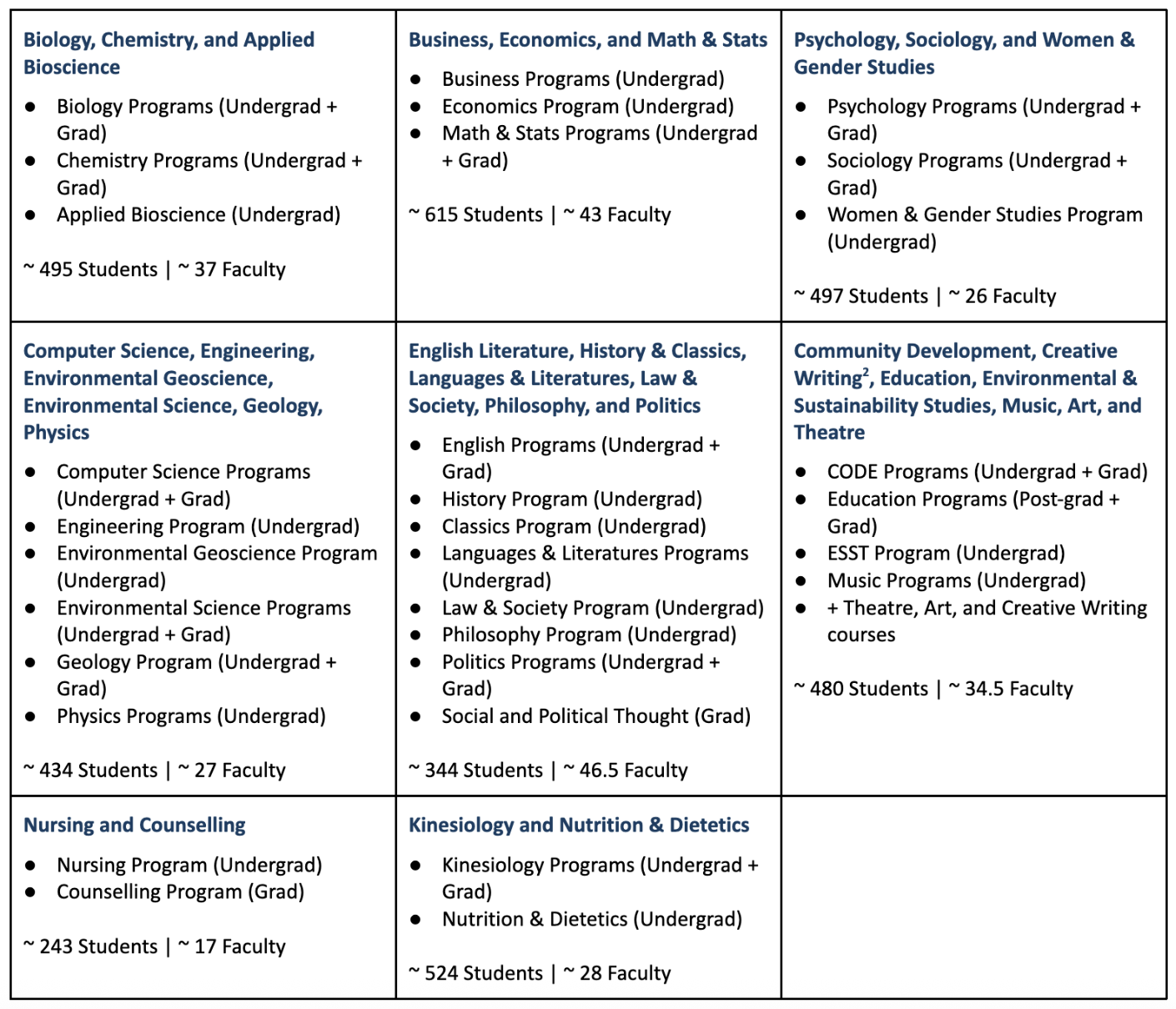
<p>The new proposal ditches the previously proposed ‘two college’ model, instead in favour of a single ‘Faculty of Acadia University’. The April 21 letter to the Acadia community acknowledges that the collegial model “has merit and opens intriguing possibilities” but recognizes the short timelines “do not allow the idea to be fully conceptualized”. The letter continues by saying that a single faculty structure will be “more cost-effective, sustainable, streamlined, nimble, and responsive”, while also dividing resources more equitably. Additionally, the proposed faculty will include eight schools, which will contain clusters of similar programs. Each school would be led by a director and are envisioned to have at least two academic administrative assistants.</p>

<h3 id="proposed-schools">Proposed Schools</h3>

<p><img src="/assets/images/2026-03-21/acadiaproposedschools-apr21.png" alt="My Image" /></p>

<p><sup>1</sup> Student numbers are from December 1, 2025; Faculty numbers were pulled on March 31, 2026, and include all faculty/instructors in each program/unit at that time.</p>

<p><sup>2</sup> This would necessitate redeploying Creative Writing faculty members out of the rest of the English program, but only with their consent and interest.</p>

<p><em>(Adapted from Dear Acadia Community [April 21], page 4)</em></p>

<h3 id="balanced-structure">Balanced Structure</h3>

<p>An argument for introducing eight schools is that it will provide a more balanced campus in terms of resources compared to the previous department system. An excellent example of this is the current ratio of administrative assistants to students by department. Under the current structure at Acadia, there is often a single administrative assistant in charge of an academic unit (It should be noted that some larger units already have multiple administrative assistants, and other smaller ones share one across a cluster of programs).</p>

<p>For smaller departments, having a single administrative assistant often works great. In larger departments, however, the same position is responsible for a much bigger workload. Acadia’s new proposal is more evenly distributed, as the proposed schools have similar enrollment and faculty numbers. <em>I do speculate that this rebalance will likely end up being more beneficial to larger programs than it will to smaller ones. Since programs are being combined, it is inevitable that some administrative assistants will become responsible for more duties, and others will receive much needed support. Overall, this is probably an excellent way of saving money as they can increase coverage across programs without having to hire more staff.</em></p>

<h3 id="school-councils--program-committees">School Councils &amp; Program Committees</h3>

<p>The revised proposal also mentions School Councils and Program Committees. Since the letter pretty well summed up both of these, I’ve quoted their paragraph directly:</p>

<p>Each School will have a School Council, responsible for academic decision-making at the School level. Each program within the Schools can create and operate a Program Committee, which will be responsible for the curricular and academic decisions related to each program, feeding up to the School Council. (Dear Acadia Community [April 21], page 6)</p>

<h3 id="familiarity">Familiarity</h3>

<p>What is notable about this proposal is that the titles used are familiar to those in the current organizational structure at Acadia. The previous proposal contained a lot of jargon, and the use of the term ‘college’ was considered confusing by many students. This concern regarding the term ‘college’ was actually acknowledged in the April 21 letter to students. The letter blames concern from a “lack of understanding in Nova Scotia of the difference between a university college and a community college”. <em>Although I personally agree with the statement that many students did not know the difference between the two types of colleges, I also think Acadia University is partially at fault. In the initial letter to the Acadia community, they should have clearly defined ‘university college’ since this is a completely new concept in the region. Placing blame on a “lack of understanding” is not enough if students don’t have the context to ‘understand’ correctly.</em> </p>

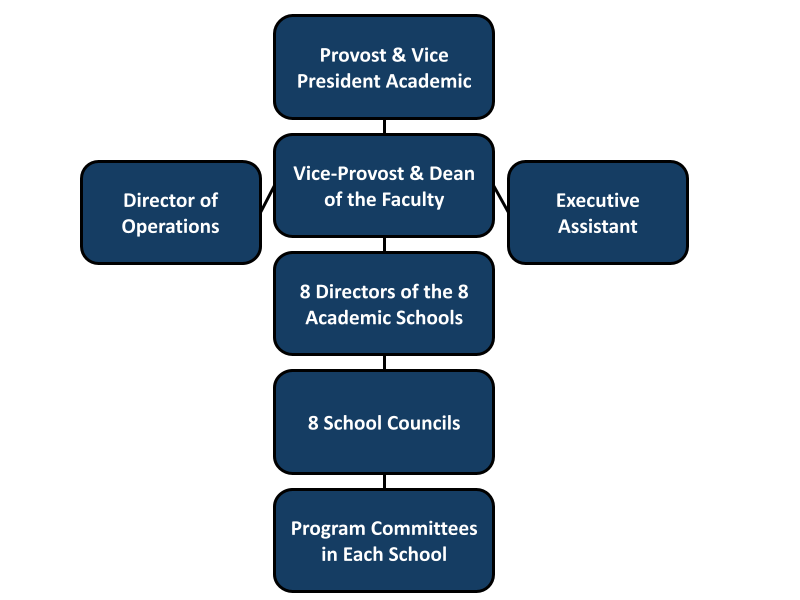
<p>Another smart choice was to revive the title of ‘Director’ for the individual responsible for schools. In the previous proposal, there were several changes to the names of positions for the academic units, specifically the introduction of the ‘Associate Dean’ position. In the updated proposal, there were a multitude of reasons why this was walked back (i.e., feedback from departments &amp; schools, concerns with AUFA contract). It also helps that the title of “Director” is already used across campus, both in academic and non academic departments. Assuming the university moves forward with this proposal, things almost appear to look somewhat similar to the current model seen by Business, where there are several programs under one Director (e.g., Marketing, Accounting, Finance). <em>I’ve attached the proposed governing structure below for reference.</em></p>

<h3 id="proposed-governing-structure">Proposed Governing Structure</h3>

<p><img src="/assets/images/2026-03-21/schoolorgstructure-apr21.png" alt="My Image" /></p>

<p><em>(Adapted from Dear Acadia Community [April 21], page 5)</em></p>

<h3 id="important-to-note">Important to Note</h3>

<p>I also think a few more points which were acknowledged on the second page of the April 21 letter are important to note. I’ve listed the article of feedback in bold and included my commentary below</p>

<h4 id="2-very-few-people-like-the-proposed-names-of-the-colleges">(2) Very few people like the proposed names of the Colleges</h4>

<p>I don’t think I did a great job of expressing this in my initial article, but I had the feeling at the time that Acadia’s Senior Leadership Team was hoping for members of the Acadia community to suggest new ‘college’ names. This ended up being true. Based on my conversation with Ashlee Cunsolo at the April 13th Student Drop-In Session, her and Jeff Hennessy “went through a hundred names and none of them stuck.” Notice that this time around, the university did not release any proposed names. Instead, they will be working with each school to determine appropriate names. This should hopefully help retain some of the character and personality from the old academic units when the new school names are being developed.</p>

<h4 id="9-some-people-were-excited-about-the-concept-of-creating-two-academic-learning-communities-each-with-embedded-schools-that-support-a-common-theme-ideas-emerged-about-naming-these-communities-with-respect-to-place-and-space-and-adopting-mikmaw-names-others-found-this-idea-confusing-and-even-risky">(9) Some people were excited about the concept of creating two academic learning communities each with embedded Schools that support a common theme. <mark>Ideas emerged about naming these communities with respect to place and space and adopting Mi’kmaw names. Others found this idea confusing and even risky<mark></mark></mark></h4>

<p>Some context here, since this wasn’t documented in the previous emails to the Acadia Community, or my previous article. A suggested idea which was being floated around at the Student Drop-In sessions was to name the two colleges using Mi’kmaw names. Although not included in the initial proposal, the suggestion appeared to be gaining traction with a subset of the community. It sounds like this idea has since been scrapped.</p>

<h4 id="5-the-embedded-support-model-has-widespread-support-and-there-is-excitement-that-we-can-break-down-silos-and-create-a-stronger-sense-of-community-among-students-faculty-and-staff--and-that-there-is-need-for-further-clarity-about-roles-scope-responsibility-structure-etc-as-stress-around-job-loss-and-role-change-is-high">(5) <mark>The embedded support model has widespread support,<mark> and there is excitement that we can break down silos and create a stronger sense of community among students, faculty, and staff – and that <mark>there is need for further clarity about roles, scope, responsibility, structure, etc. as stress around job loss and role change is high;<mark></mark></mark></mark></mark></h4>

<p>Another portion of my conversation with Cunsolo was in regards to the proposed embedded support model. My main concern at the time was what this new model would look like for Co-op, since Business has had an ‘in-house’ coordinator for some time. Cunsolo mentioned to me that this ‘in-house’ model had worked quite well for Business, and the new proposal was hoping to emulate parts of this across other student supports. If this model can be emulated <em>effectively</em>, I think it will be a huge benefit for students, as the individuals would be able to get to know their students and specialize in specific fields. We see this already with the subject librarians, which are assigned to specific programs and departments.</p>

<p>Another one of mine (and many other students’) concerns was how student services would look, considering the sweeping changes that were proposed. Common questions included “will [individual] continue to provide X service, or will I have to go see someone new?” or “I really like going to see [individual], are they being reassigned?” For what it’s worth, I wasn’t given an overly clear answer at the Student Drop-In Session (I assume there is much they <em>can’t</em> say right now and much they <em>don’t</em> know). The words “it would be their choice” were brought up a lot, which isn’t super clear to me what exactly that will mean. In the letter to the Acadia community, Hennessy and Cunsolo did state that “[they] will also continue to work on creating a more detailed staffing plan for the embedded support model”. This plan will integrate the feedback received and aims to clarify roles. According to the letter, this will “be released in the coming weeks.” </p>

<h3 id="conclusion">Conclusion</h3>

<p>I think that the revised proposal for a restructure at Acadia is a much better fit for the students, faculty, and culture of the university than the first proposal was. By creating a single faculty with eight schools, I think that we hit a much better compromise which will aid the goals of making Acadia University more sustainable in the long term. <strong>HOWEVER,</strong> I do remain somewhat skeptical of what this will look like in the long term. <em>Based on a hunch</em>, I believe that the picture being painted for students is slightly more optimistic than the one being proposed behind the scenes and to the faculty/staff. I also know that a lot is still up for discussion and on the table, so if you have feedback, <strong>share it with them</strong>. Although their initial execution can sometimes be a bit rocky, I do honestly believe that Acadia’s senior leadership team are good at listening to students, and they try their hardest to get things right <em>when they can</em>. It’s for that reason that I remain ‘cautiously optimistic’ about what is to come.</p>

<p><em>As restructuring progresses, I will continue to cover developments. Regardless, I encourage you to check your emails and read all updates that are shared from our Senior Leadership Team. This restructure affects us all, and we are very fortunate for them to be as forthcoming and transparent with us as they have been.</em></p>]]></content><author><name>Benjamin MacLeod</name></author><category term="Acadia" /><category term="Acadia Restructure" /><summary type="html"><![CDATA[On April 6, 2026, Jeff Hennessy (President and Vice-Chancellor) and Ashlee Cunsolo (Provost and Vice President Academic) announced proposed changes which would vastly change how academic programs are structured at Acadia. Shortly after this proposal was emailed to students, I published my analysis to try and help break down the 13 pages that explained what (Re)Building Acadia would mean. Many parts of their proposal were considered controversial by members of the Acadia community, most notably being the elimination of departments and schools alongside the reduction of three faculties into two ‘colleges’. Since then, Acadia has offered a series of information sessions for both students and faculty to help gather feedback and answer questions regarding this proposed plan. Yesterday, April 21, Acadia released a second proposal which introduces several changes, alongside some more insight into what they learned from the gathered feedback.]]></summary></entry><entry><title type="html">(Re)Building Acadia – Proposed Restructuring of Academic Programs on Campus</title><link href="/2026/04/06/rebuilding-acadia-proposed-restructuring-of-academic-programs-on-campus.html" rel="alternate" type="text/html" title="(Re)Building Acadia – Proposed Restructuring of Academic Programs on Campus" /><published>2026-04-06T00:00:00+00:00</published><updated>2026-04-06T00:00:00+00:00</updated><id>/2026/04/06/rebuilding-acadia-proposed-restructuring-of-academic-programs-on-campus</id><content type="html" xml:base="/2026/04/06/rebuilding-acadia-proposed-restructuring-of-academic-programs-on-campus.html"><![CDATA[<p><em>Since the publication of this article, Jeff Hennessy has released a second draft of their restructuring proposal. This new draft contains several changes which make some of the information in this document outdated.</em></p>

<p>On Monday, April 6, 2026, Jeff Hennessy (President and Vice-Chancellor) and Ashlee Cunsolo (Provost and Vice President Academic) released an email to the Acadia community regarding proposed changes to how academic programs are structured. In this email, two documents were attached: the first being an introductory letter, titled ‘Dear Acadia Community,’ and the second being the draft proposal, titled ‘(Re)Building Acadia Strategic Academic Restructuring.’ The administration requested that members of the Acadia Community read these documents, as they hope to receive feedback and ideas as the proposal evolves.</p>

<p>Although I strongly recommend that you read these documents yourself, I will provide a breakdown of what I took away from these documents and some potential speculation as to what some of this means. I’ve done my best to clearly mark personal speculation, through explicitly saying so and using italics. I’ve also directly copied over the details for how students can provide input at the end of this article.</p>

<p>In the ‘Dear Acadia Community’ document, we are first provided with some context. In March 2026, the Board of Governors Executive Committee put forward a mandate for the senior administration to work with members of the Acadia Community to develop a plan for strategy and transformation. The first result from this plan was the layoffs across campus on March 11th, resulting in an immediate reduction of expenses. However, the document says that this plan goes further, citing the following changes that have been resolved by the Board Executive Committee for future budgets:</p>

<ol>
  <li>
    <p>A reduction in the number of independent faculties from three to two;</p>
  </li>
  <li>
    <p>An across-the-board reduction in the number of discrete units (academic and support units); <em>and</em></p>
  </li>
  <li>
    <p>A strategic response to the government-mandated program review (Schedule H) that both secures provincial funding and responds to student needs through program renewal, pedagogical innovation, and curriculum transformation.</p>
  </li>
</ol>

<p>(<em>Dear Acadia Community, page 1</em>)</p>

<p>The document also notes that “great thought has gone into a proposed response to this mandate”, and that both Hennessy and Cunsolo have spent “substantial time listening to and learning from faculty, staff and students”. They acknowledge that the current Acadia University is “siloed and inefficient,” and claim that the next steps are “grounded in what we have learned from you.” They also make clear that they want “guidance in making this proposal stronger” and are committed to “transparency, compassion, and ongoing communication.”</p>

<h3 id="two-college-model">Two College Model</h3>

<p>The primary focus of both documents appears to be transitioning from the current <em>Faculty model</em> into a <em>Two-College Model</em>. Acadia University currently has three faculties: the Faculty of Arts, the Faculty of Pure and Applied Science, and the Faculty of Professional Studies. These three faculties are currently based on closely aligned disciplines (e.g., Sociology and Political Science are part of the <em>Faculty of Arts</em>, whereas Chemistry and Biology are part of the <em>Faculty of Pure and Applied Science</em>). Instead, this proposal introduces Colleges, which instead establish identity based on a common theme. The word ‘College’ in this context refers to a group of faculty, staff, and students who work together to advance the academic and educational mission of the College and Acadia. <strong>To be clear</strong>, Acadia University will remain a university; the term refers to <em>specific subgroups</em> of the institution, much like what our three faculties already do.</p>

<p>The proposed colleges at Acadia would have one emphasizing <strong>Health, Community, and Change</strong> and the other emphasizing <strong>Environment, Systems, and Society</strong>. Programs would be divided into these two groups, and “thematic clusters” would be developed within each college. Neither document referred to which programs specifically would be placed in each college, just the themes included in each one. The following chart (<em>adapted from (Re)Building Acadia Strategic Academic Restructuring, page 6</em>) illustrates the overall focus of the two proposed colleges.</p>

<table>
  <thead>
    <tr>
      <th> </th>
      <th> </th>
    </tr>
  </thead>
  <tbody>
    <tr>
      <td><strong>College of Health, Community, and Change</strong></td>
      <td><strong>Programs and Research Strengths:</strong> Health sciences, mental health, community wellbeing, and development</td>
    </tr>
    <tr>
      <td> </td>
      <td><strong>Integrates:</strong> Critical social sciences, humanities, and creative disciplines that can and must inform health and community policy and training.</td>
    </tr>
    <tr>
      <td><strong>College of Environment, Systems, and Society</strong></td>
      <td><strong>Programs and Research Strengths:</strong> Environmental, physical, and life sciences, technology, commerce and entrepreneurship, education, social structures, governance, and public policy</td>
    </tr>
    <tr>
      <td> </td>
      <td><strong>Integrates:</strong> Critical social sciences and humanities disciplines that can and must inform environmental and social policy and training.</td>
    </tr>
  </tbody>
</table>

<p><em>My assumption is that Acadia has yet to determine which programs would fall under each college, and regardless, all programs are currently subject to review through the government-mandated Schedule H Program Review (Though it should be noted that the letter does say that Schedule H will continue uninterrupted and parallel to this restructure).</em></p>

<p>The proposal says that colleges would allow similar programs to share resources, addressing some of the current financial challenges at Acadia. It also says that colleges would provide streamlined administrative structures to “increase opportunities for creativity, collaboration, and innovation in pursuit of the educational mission and to reduce inefficiencies”. <em>I can only speculate, but a potential example could be Business and Economics. These programs are currently managed by separate faculties (Arts and Professional Studies) but have similar first-year course requirements.</em>__</p>

<h3 id="administrative-structure">Administrative Structure</h3>

<p>The upper organizational structure for the proposed colleges remains relatively similar to the current faculty model. This includes an Executive Assistant, Associate Deans, and a Manager of College Operations who report to the Dean. Below the senior branch, we see embedded supports, which follow a Dual-Reporting Model. These positions are “specialized roles that report up to the Dean while connecting to functional central university hubs.” These roles are broken into two branches: Student Success Supports and Specialized Embedded Liaisons. Positions such as Academic Advisors, Accessible Learning, and Career &amp; Experiential Learning Coordinators fall under the ‘Student Success Supports’, with the second branch focusing on non student-focused tasks (e.g., Curriculum &amp; Planning, Marketing &amp; Communications, and Recruitment). <em>Another speculation, but it sounds like this might help better allocate resources for student supports, especially considering some of the positions that Acadia laid off in March.</em></p>

<p>Another important note is the elimination of Departments and Schools. The reasoning for this is to provide “flexible and thematic clusters that better support new, existing, and re-imagined programs and academic operations.” This model also aims at increasing educational and research capacity and efficiency by reducing the amount of administrative units. By the sounds of this proposal, this would provide a more uniform structure, instead of the current chaos where some departments or schools house multiple degrees. Examples include the F.C. Manning School of Business, which offers six undergraduate majors (and a general BBA degree), or the Department of Earth and Environmental Science, which offers three undergraduate degrees alongside a few masters degrees.</p>

<h3 id="impact-on-students">Impact on Students</h3>

<p>A notable part of the proposed College Model is the introduction of College Student Councils alongside the continuation of program-related student councils. This implies that the university will increase overall student involvement in how the colleges are run. The documents only referred to this twice but did not specify what they might look like.</p>

<p>The ‘Dear Acadia Community’ letter highlights that all current programs of study will continue through this process and that students will complete their degrees on time and without disruption. Acadia’s administration has also repeatedly made clear through various channels that any and all proposed changes to programs at Acadia will only affect <em>future students</em>. If accepted, the timeline for implementing the full College model would not be until July 1, 2027, and the proposed final plan is due to the Board in June of 2026.</p>

<h3 id="conclusion">Conclusion</h3>

<p>The proposed ‘College Model’ aims to help tie together the three faculties into two colleges by combining resources and reducing inefficiencies. What remains to be seen is how this may affect our current programs. I think we should remain skeptical about how these changes may impact some programs, but also look forward to potential new opportunities to emerge. I would specifically love to see some potential collaboration between our arts and sciences, fields which currently are divided by structure and by landscape (BAC and Huggins).</p>

<h3 id="student-feedback">Student Feedback</h3>

<p>These student sessions will provide interactive opportunities to learn more about the structural changes, provide feedback, and share ideas.</p>

<table>
  <thead>
    <tr>
      <th> </th>
      <th> </th>
    </tr>
  </thead>
  <tbody>
    <tr>
      <td><strong>April 13: 12:00-3:00pm</strong>Library Lobby drop-in sessions for information and feedback</td>
      <td><strong>April 16: 1:00-3:00pm</strong>Library Lobby drop-in sessions for information and feedback</td>
    </tr>
  </tbody>
</table>

<p>There is also an anonymous survey for <em>Acadia Faculty, Staff, and Students</em>, which can be accessed on page four of the ‘Dear Acadia Community’ document.</p>]]></content><author><name>Benjamin MacLeod</name></author><category term="Acadia" /><category term="Acadia Restructure" /><summary type="html"><![CDATA[Since the publication of this article, Jeff Hennessy has released a second draft of their restructuring proposal. This new draft contains several changes which make some of the information in this document outdated.]]></summary></entry><entry><title type="html">Acadia Community Devastated by Recent Layoffs</title><link href="/2026/03/13/acadia-community-devastated-by-recent-layoffs.html" rel="alternate" type="text/html" title="Acadia Community Devastated by Recent Layoffs" /><published>2026-03-13T00:00:00+00:00</published><updated>2026-03-13T00:00:00+00:00</updated><id>/2026/03/13/acadia-community-devastated-by-recent-layoffs</id><content type="html" xml:base="/2026/03/13/acadia-community-devastated-by-recent-layoffs.html"><![CDATA[<p>On Wednesday, March 11th, Acadia University announced layoffs of staff working in key support positions. Students were notified just before the end of the day on Wednesday about the updates by Scott Duguay, Vice President of Student Experience. In his email, Duguay did not mention which positions would be lost, only that “some of which directly affect services for students.” Duguay also clarified that there were “no further staffing reductions planned,” indicating that they wanted to prevent “prolonged uncertainty and to allow everyone to begin moving forward together.” While Duguay did not provide a list of affected services, students quickly learned about the closure of Healthy Acadia and the Wong International Centre on Instagram. These were not the only staff cuts, as an article by CTV News reported that “thirty-one positions were eliminated.”</p>

<p>After cuts were announced, Acadia students quickly mobilized to show their support and make clear that the cuts to support staff were unacceptable. Students organized two separate protests, the first one outside of University Hall on Thursday at 1pm. Members of the Acadia Students’ Union (ASU) were present for this protest, and students were provided the opportunity beforehand to make signs at the Student Union Building (SUB). Once gathered, Acadia University’s senior administration team met outside of their offices, listening to the questions and remarks that students made. After approximately thirty minutes, students were invited into Convocation Hall for a Q and A session. Despite nearly all of Acadia’s senior executives taking the time to listen to students, there was one notable exception. Dr. Jeff Hennessy, Acadia University’s President and Vice-Chancellor, was not present.</p>

<p>For many students, this was not enough. Students wanted answers from their President. This led to a second protest outside of Huggins Science Hall during the 44th Annual Huggins Science Seminar. This seminar discussed attosecond science and was led by Acadia alumnus Dr. Paul Corkum. At the end of the seminar, a special presentation was made by President Hennessy. Hennessy announced that $1 million was donated to the university to go towards a scholarship fund. Additionally, Hennessy declared that room 10 of Huggins Science Hall would be renamed to the ‘Corkum Auditorium.’ As dignitaries left the auditorium for refreshments in the lobby, they were greeted by protestors. This resulted in a rather impromptu Q and A session with Hennessy and some of the administration team (Dr. Ashlee Cunsolo, Provost and VP of Academics, and Nancy Handrigan, Vice-President of External Relations).</p>

<p>Despite the unfortunate timing, it should be made clear that this event, alongside the announcement, was planned months in advance, and certainly without the context that layoffs would be made the same week. It should also be noted that the donor <em>specifically</em> donated the $1 million towards a scholarship fund. This means that regardless of the current financial state of the university, these funds <strong>cannot</strong> be reallocated to any other cause. This is similar to the funds for renovating the SUB, which were raised through a mult-year fundraising campaign.</p>

<p>I personally attended the Huggins Science Seminar, and also witnessed most of the Q and A session. One of the things which I noticed was the volume of questions which were repeated by students. I understand how frustrating it is that we are not getting all the answers we want. I also fully agree that Acadia University did not take the correct approach to announcing these layoffs. Even Acadia’s administration told us firsthand that they acknowledge they made <em>many</em> mistakes with the delivery. From what I understood (it was quite hard to hear all of what was said from my angle), they have agreed to give more information by Monday*. It is completely fair not to hold trust in them, but they gave us their word. I think we ought to give them one more chance.</p>

<p>Why? We’ve done our job as students to share our concerns. The greater student body has spoken to all of Acadia’s senior management team. They had two options. The first option was to make broad claims on the spot, many of which would likely end up being claims they could not commit to. The second option was to only share information they were solid on, sit down and have a long discussion, and work on a plan that can <em>actually</em> be executed. Acadia’s administration team was smart, and they chose the second option. Rather than say anything they would later regret, the administration team was careful. To make it clear, I am NOT saying we shouldn’t question their word, because Acadia needs to be held accountable. However, I would rather the future of our university be made in a boardroom, not during an impromptu gathering on a Thursday night.</p>

<p>I also want to highlight how Acadia University should have come up with a more thorough plan before announcing layoffs. Releasing a plan at the same time as the layoffs would not have completely prevented the pain we are suffering, but it wouldn’t have left us in the dark. However, this may not be <em>entirely</em> Acadia University’s fault. I highly encourage watching the January 27th Town of Wolfville<a href="https://www.youtube.com/live/TTmfIoA-43o?si=F1hsjHYPFDC-tG9u"> Council Meeting</a>. During this meeting, President Hennessy presented a ‘State of the University,’ where he went into great detail about the current review of Acadia by the Province of Nova Scotia. He talked about Bill 12 (An Act Respecting Advanced Education and Research), as well as the Nova Scotia Academic Program Review. One of the points which sticks out is how tight the turnaround is for many phases of this review. This included a comprehensive review of finances, programs, and services, all of which had to be submitted to the Province of Nova Scotia.</p>

<p>Now, regarding future actions by Acadia. It is greatly disappointing that many students are continually asking the senior management team to release the names of employees who lost their jobs or request a discussion about specific employees who were laid off. The university has already committed to releasing the services which have been eliminated*. This is <strong>all</strong> the university can do. All the employees who were laid off by the university have a <strong>right to privacy</strong>, and do not deserve to be brought into the spotlight if they do not wish to do so. It is not Acadia University, President Hennessy, or any other senior manager’s place to discuss personnel matters publicly, <strong>nor is it professional</strong>. A complete list of employee names would undoubtedly be shared with the media. Exposure of this nature can have detrimental effects on their mental health, along with their future job prospects.</p>

<p>I also want to give some credit to our senior management team for spending several hours listening to student feedback. Sure, many of the answers weren’t what we wanted to hear, but realistically, they are somewhat legally tied, and they also just flat out don’t have answers. Senior management could have taken the easy route and hid from us in their offices. They could have left Huggins immediately after the seminar. They didn’t have to invite students into Convocation Hall for a Q and A. But they did. Yes, it is <strong>NOT</strong> enough. Yes, we <strong>should</strong> expect better from them. However, Acadia University is also in a tight financial situation. This is clearly visible in the financial statements that are publicly available to browse online. With ongoing pressure from multiple levels of government, there are no winners. Whether we agree with what services the university cuts or not, we have no choice but to wait and see what’s to come. Universities do not move fast – have you seen how long it takes research and peer-reviewed work to come out? Sweeping effects from the cuts at all levels of government <strong>will</strong> sting. </p>

<p>These changes impacted every member of our campus community, and my thoughts are with every staff member who lost their job. Additionally, my thoughts are with the students who have lost core resources, which, now that they are cut, will greatly impact their ability to receive a post-secondary education. This is especially true for our international students, who lost the Wong International Centre. This was an invaluable resource that was relied on by many. As students, we have a right to be angry. We also have the right to share our displeasure and disappointment with Acadia University, the Province of Nova Scotia, and the Government of Canada. While doing this, we must also remain peaceful, something I believe the student body has (mostly) done a good job at. We also must look at what questions we are asking, and who we are asking them to. And most importantly, we must all stick together, especially in these times of turmoil and uncertainty.</p>

<p><strong>*UPDATE:</strong> Since this document was written, Scott Duguay released a statement via email to all students and faculty. This email included a full list of eliminated positions, alongside who to contact regarding many of the concerns expressed by students. This email also mentioned that they would be introducing opportunities to engage with Acadia University management, including an upcoming budget information session for students.</p>

<p><strong>**UPDATE 13/03/2026:</strong> Additionally, international students also received a separate email this evening from Janique Ellis Panza, which provided some further insight into how she will be expanding her support to international students.</p>]]></content><author><name>Benjamin MacLeod</name></author><category term="Acadia" /><summary type="html"><![CDATA[On Wednesday, March 11th, Acadia University announced layoffs of staff working in key support positions. Students were notified just before the end of the day on Wednesday about the updates by Scott Duguay, Vice President of Student Experience. In his email, Duguay did not mention which positions would be lost, only that “some of which directly affect services for students.” Duguay also clarified that there were “no further staffing reductions planned,” indicating that they wanted to prevent “prolonged uncertainty and to allow everyone to begin moving forward together.” While Duguay did not provide a list of affected services, students quickly learned about the closure of Healthy Acadia and the Wong International Centre on Instagram. These were not the only staff cuts, as an article by CTV News reported that “thirty-one positions were eliminated.”]]></summary></entry></feed>